Lowered blood lead reference values and strict asbestos testing mandates are shifting the compliance landscape. Here is how to protect your real estate assets before your next renovation or tenant turnover.
The Shift to Zero-Tolerance Lead Standards
The most significant regulatory shift impacts how lead-based paint and lead dust are handled. The EPA recently finalized rules that drastically lower the dust-lead hazard standards to virtually any reportable level.
- Ultra-Low Clearance Levels: Post-abatement clearance levels have dropped significantly. The acceptable threshold is now 5 µg/ft² for floors and 40 µg/ft² for windowsills. Standard residential cleaning methods will not pass these rigid new clearance wipes.
- Stricter State Oversight: Connecticut has lowered its blood lead reference value to 3.5 µg/dL. This means local health departments are triggered to investigate properties and mandate abatements much sooner than in previous years.
- The Decoupling of Hazards: The EPA has officially decoupled "hazard" levels from "clearance" levels. If lead dust is detectable, it must be professionally addressed. Ignoring it leaves property owners completely exposed to tenant liability lawsuits and heavy municipal fines.
Mandatory Asbestos Screening for Renovations
Connecticut is home to stunning historic architecture, but homes and commercial spaces built before 1980 frequently hide asbestos in textured ceilings, vinyl floor tiles, joint compounds, and pipe insulation.
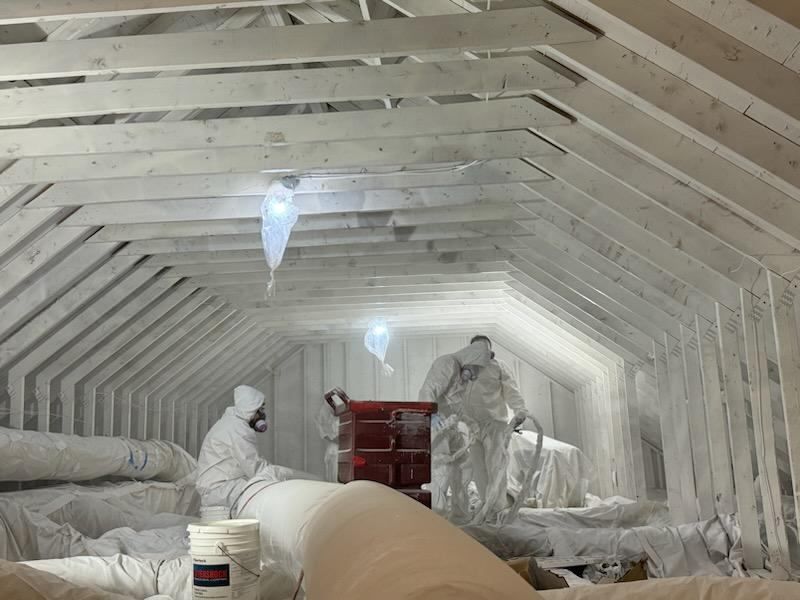
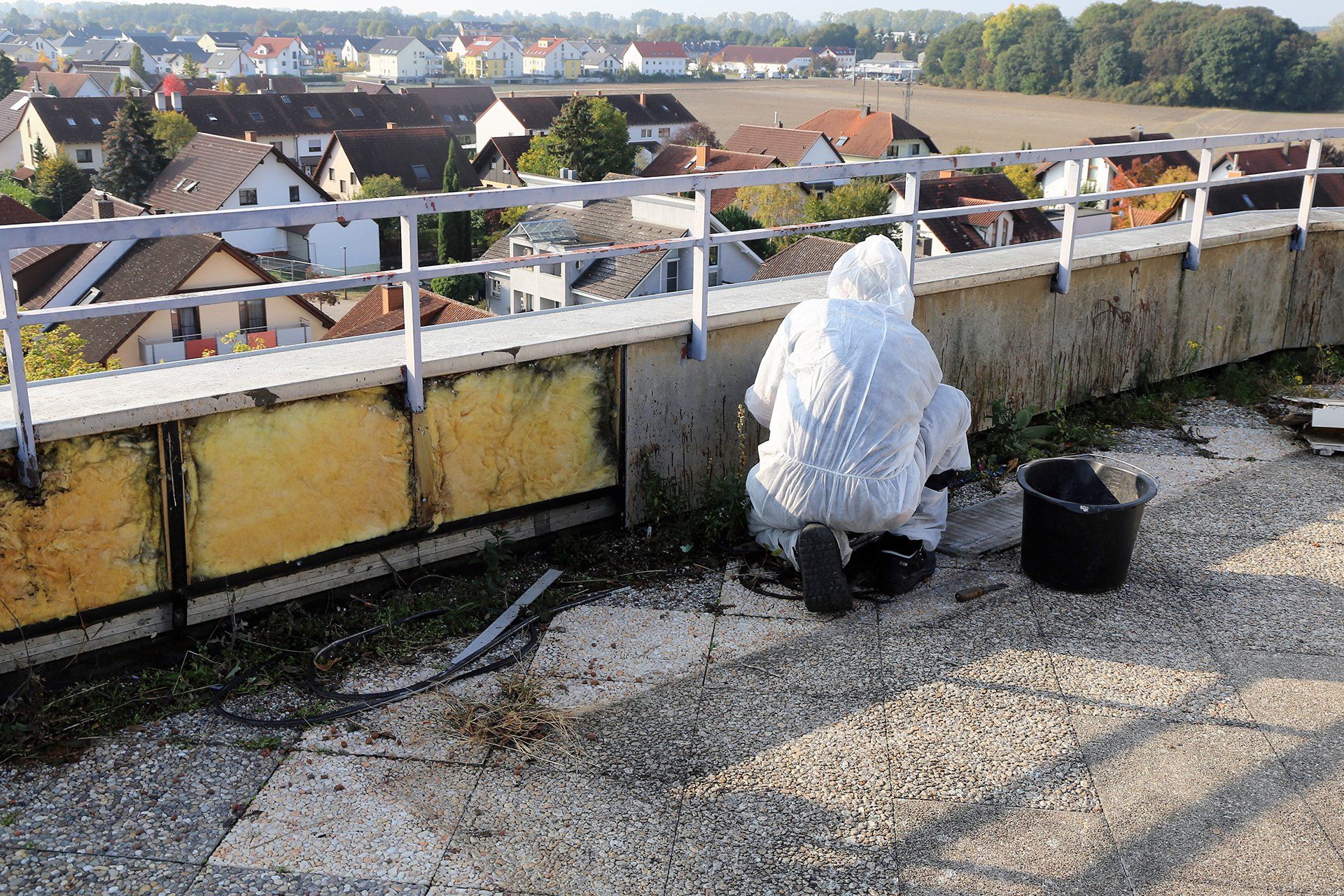
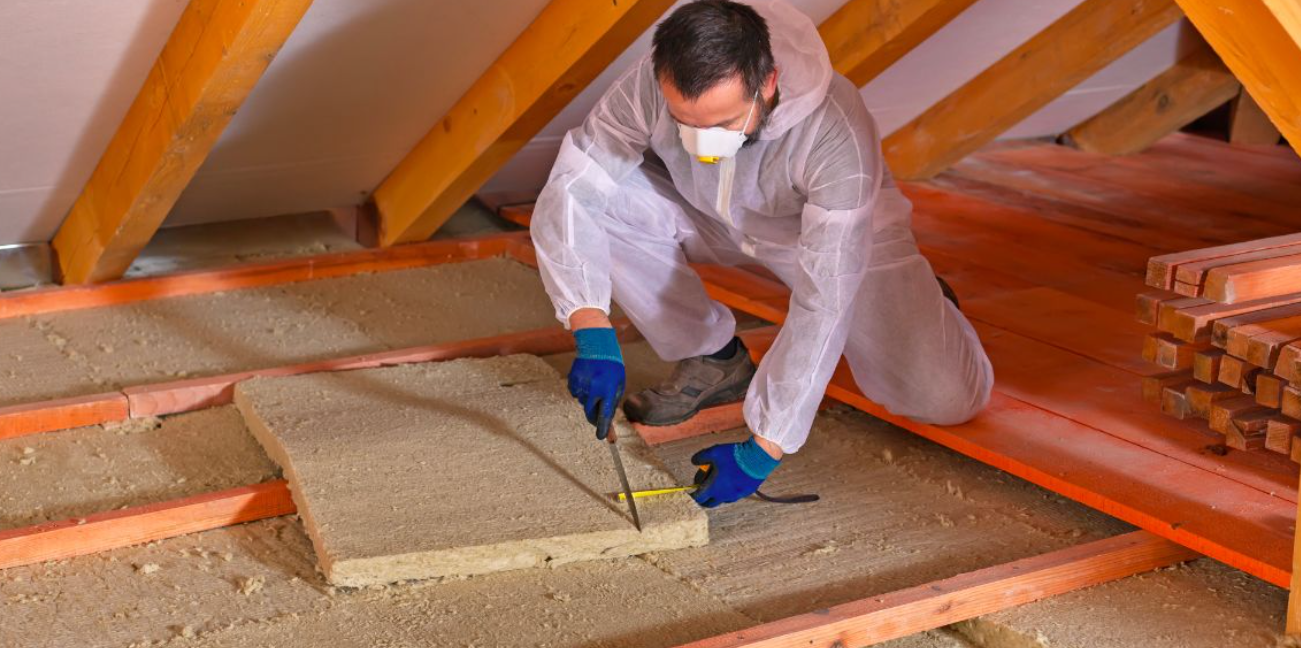
Under current OSHA and EPA mandates, any interior demolition or major renovation in older buildings requires a mandatory asbestos survey before hammers start swinging. "DIY demolition" is an enormous legal risk. Disturbing these materials without proper negative air pressure containment releases microscopic fibers into the HVAC system, creating a long-term respiratory hazard and instantly violating state health codes.
The Cost of Non-Compliance
Regulatory bodies have shifted from a warning-first approach to immediate enforcement. The risks of cutting corners include:
- Halted Projects: Local building inspectors will issue immediate stop-work orders if proper abatement protocols are not documented during renovations.
- Derailed Real Estate Transactions: Undisclosed mold, lead, or asbestos discovered during a buyer’s inspection can instantly kill a deal or force sellers into major concessions.
- Severe Fines: Commercial operators and landlords face escalating fines from both OSHA and local health departments for failing to provide a safe, hazard-free environment.
Why Professional Remediation is Your Only Option
Treating environmental hazards as a DIY project is no longer an option under the 2026 legal framework. Navigating these requirements requires scientific precision, specialized containment equipment, and licensed oversight.
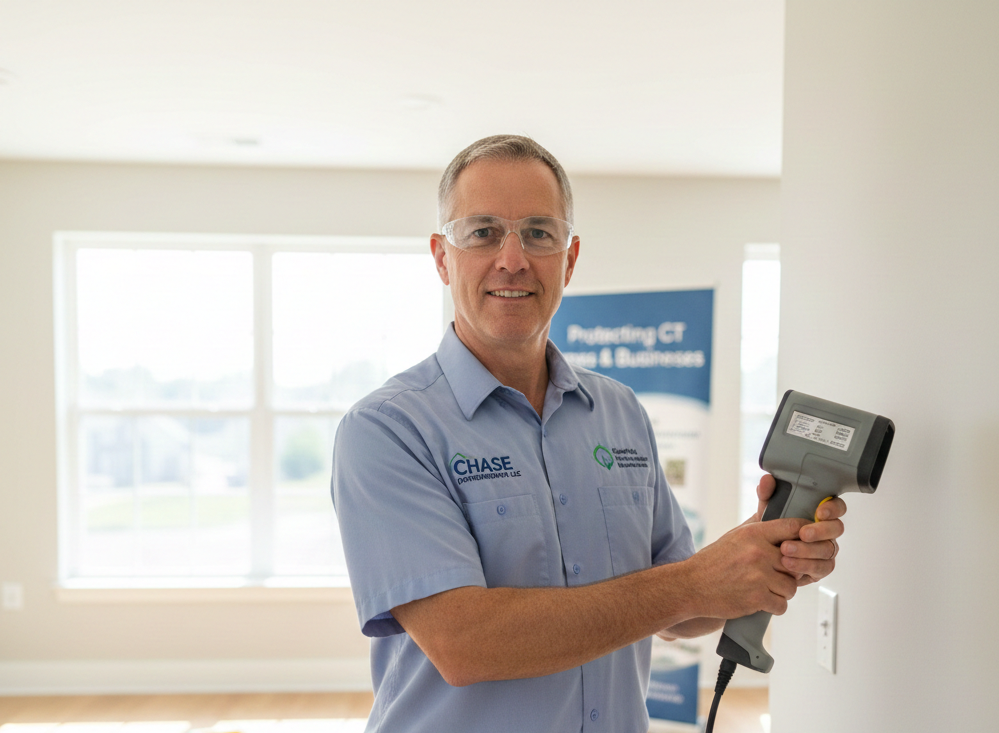
At Chase Environmental, we don't just remove the hazard—we provide the laboratory-backed documentation required to mitigate your liability. Our state-certified team utilizes advanced X-Ray Fluorescence (XRF) technology for rapid, non-destructive testing, pinpointing legacy risks without damaging your property. From advanced containment setups to the final clearance testing, we ensure your property meets every local and federal legal standard.
Don't let hidden hazards compromise your property value or put you at legal risk.
Reach out to the certified experts at Chase Environmental to schedule a compliance risk assessment or abatement consultation today.
Call us directly at 203-644-7864 to secure your property.